Why eAuctions fail and what you can do better

eAuctions can create clear competition, shorten cycle times, and improve savings. Many companies see strong results, while others struggle. In many cases, adoption already fails early because leadership buy in is missing. Without clear commitment from leadership teams, eAuctions are often not used consistently, or not used correctly.
When leadership support is in place and auctions do run, outcomes can still fall short. Many teams with strong internal backing see eAuctions underperform due to avoidable setup and execution mistakes. A few wrong decisions can slow down the process, confuse suppliers, or lead to weak and incomplete insights.
13 eAuction pitfalls and what you can do better
The situations below reflect what we see in real sourcing projects – where buy-in exists but results still fall short – along with practical ways you can do better next time.
1. Starting prices are not aligned
A very common problem in English Reverse Auctions is unclear starting prices. The best quoting supplier may give a bid of $3 in the RFP. You take this as the starting point, but during the auction the supplier explains that they cannot go lower. The event then has no movement and no competition.
What to do better: Always confirm starting prices with suppliers. Make sure the suppliers can move from these points.
2. Too many items in one auction
When suppliers see 20 or 30 items at once, they have to process too much information in real time. Even with sequential bidding, the load stays high and your suppliers will mentally switch off at some point. This can lead to slower bidding and bad auction results. If you place the whole RFP into a single event you also risk slow bidding and fatigue.
What to do better: Keep the event simple. Focus on the top items that drive savings, group items in logical sets, or split them into several events.
3. Durations that are too long
Many auctions run far longer than needed. Events set for one hour often stay quiet for most of the time because suppliers wait until the last few minutes. For fewer than 5 items, around 20 minutes plus overtime rules is enough.
What to do better: Keep the duration short. Match the time to the complexity and add clear overtime rules.
4. Supplier input mistakes
Suppliers sometimes enter wrong numbers even with clear rules. If this is not corrected quickly, the auction can be disrupted.
What to do better: Watch the event closely. Correct mistakes immediately. Use tools (like Archlet) that let buyers adjust or revert bids without stopping the auction.
5. Reduction steps that are too small
If the minimum bid reduction is tiny, the auction moves very slowly. Suppliers lose interest, and the event stretches without producing value.
What to do better: Choose reduction steps that drive steady movement while still giving control.
6. Wrong feedback type during the event
Ranking seems simple, but it can reduce motivation when the gap between first and second place is large. Suppliers feel they cannot catch up.
What to do better: Use Dutch reverse or English reverse with traffic light feedback – potentially based on target prices.
7. The strongest supplier does not join
If the main supplier does not participate and the others have much higher prices, nothing changes and you gain no insight.
What to do better: Use reservation/target prices to guide the event and move suppliers toward a realistic range.
8. Suppliers are not prepared
Events break when suppliers join without understanding the rules or without technical readiness. Slow internet, unclear instructions, or missing approvals create delays.
What to do better: Run a short briefing and make sure suppliers prepare early.
9. No test event
Training suppliers one by one works but takes time, so many teams skip it. This leaves suppliers less prepared, which slows down the real event.
What to do better: Create a simple test auction and keep it open for a few hours. Suppliers can enter at any time and try the tool.
10. No RFP or unclear specifications
If you skip a proper RFP or do not align on specifications, suppliers bid on different assumptions. This forces you to redo the event.
What to do better: Align on specs and terms before the auction. Make sure everyone works with the same information.
11. Unlimited extensions
Without clear extension rules the event can run for hours. One supplier who is not even close to winning can keep the auction alive without adding value.
What to do better: Limit extensions. Limit who can trigger them based on ranking.
12. Documents shared too late
If suppliers receive documents only a few days hours before the event, they may not have time to prepare or secure internal approvals. Some then skip the auction.
What to do better: Share all documents 1-2 weeks before the event.
13. No feedback after the auction
If buyers do not follow up after the event, suppliers feel ignored and may avoid future auctions.
What to do better: Share clear and timely feedback. A short summary builds trust and supports better supplier participation next time.
Closing thoughts
eAuctions work very well when the preparation is right. Clear rules, simple structures, and early supplier alignment are the key ingredients. When teams avoid the common mistakes above, events run smoother, suppliers stay engaged, and the results improve.
Want to see how modern tools make eAuctions seamless by design?
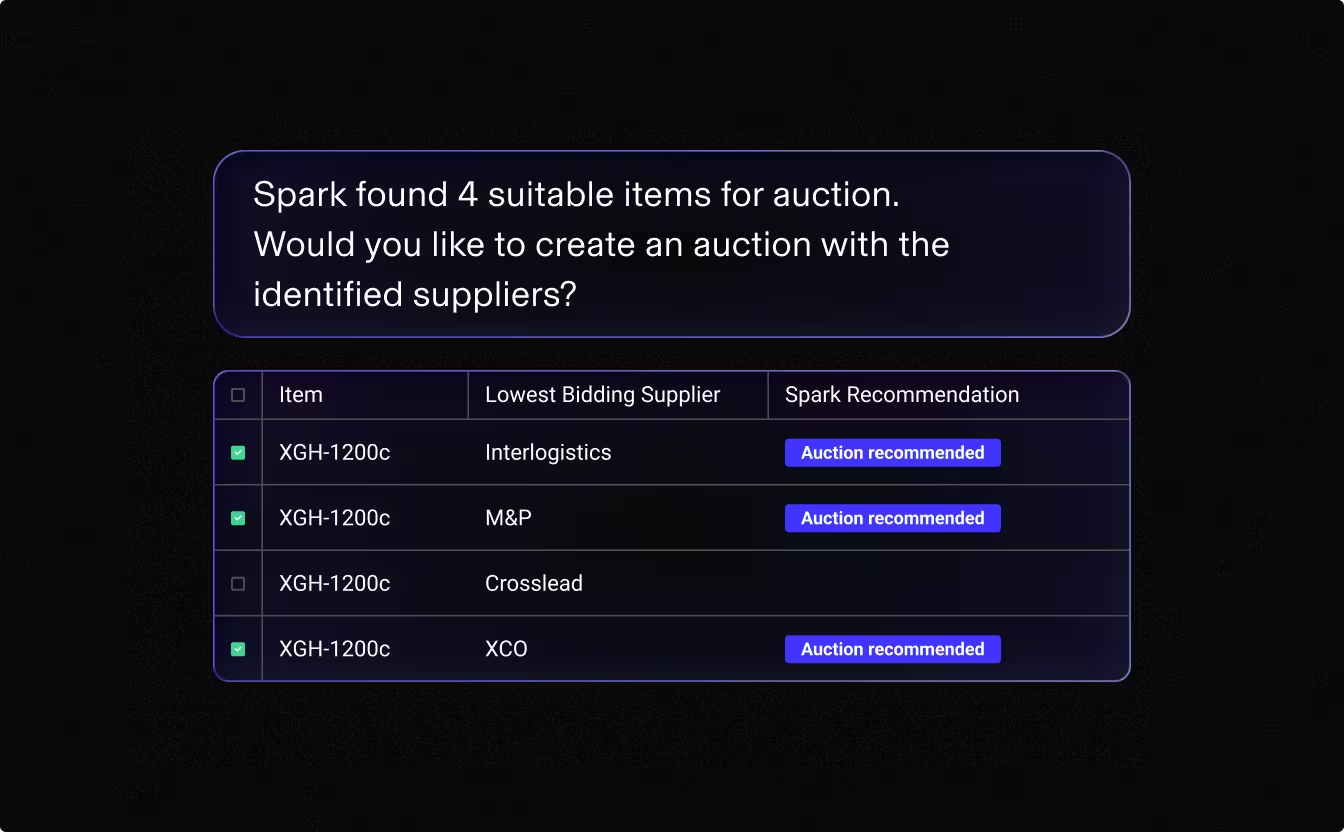
Platforms like Archlet offers AI-guided setup, real-time feedback, and live adjustments — without stopping the event.
.png)